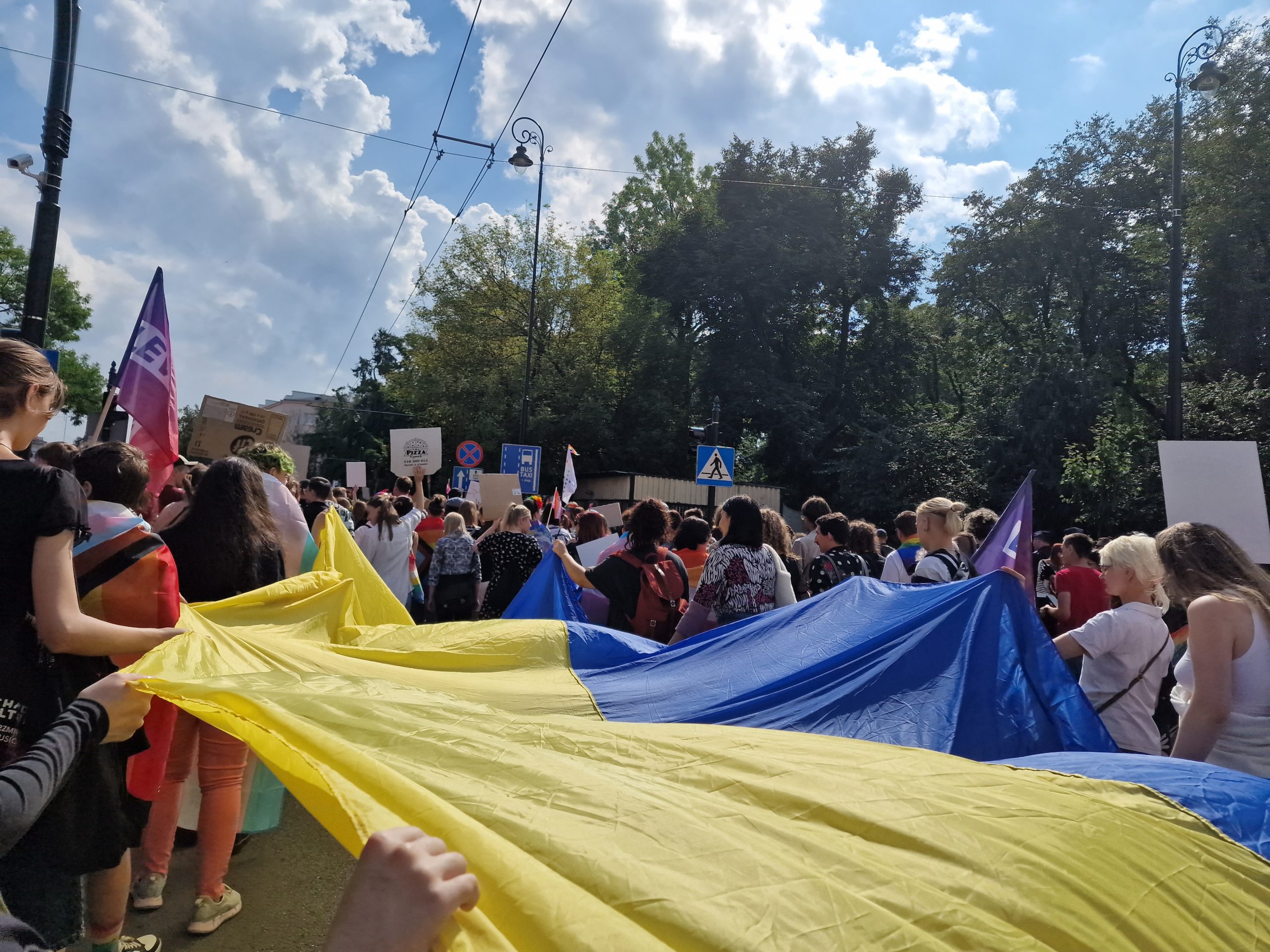
EU extends temporary protection for Ukrainian refugees until 2027
In the face of the ongoing war in Ukraine, the European Union has taken another key step to ensure stability and security for millions of displaced people. The European Commission has proposed extending temporary protection for Ukrainian citizens until March 4, 2027. This decision is of fundamental importance for the nearly 4.3 million people who have found refuge in EU countries.
Why was the protection extended?
The current directive, activated in March 2022, was originally set to expire on March 4, 2026. However, as explained in an official statement from the European Commission on June 4, “the war in Ukraine continues and there are no conditions to enable large-scale repatriation in safe and secure conditions.” This justification is key to the decision, which affects a huge group of people—according to data from March 2025, nearly 4.3 million displaced persons from Ukraine were in the EU, one-third of whom were children.
The temporary protection mechanism has relieved the burden on overloaded national asylum systems and introduced a coherent, EU-wide plan that helps guarantee the rights of Ukrainian refugees, regardless of which member state they are in.
New perspectives and future plans
Along with the extension of protection, the European Commission is also thinking about the future, focusing on a “gradual transition” from temporary protection. The Commissioner for Internal Affairs and Migration, Magnus Brunner, noted at a press conference that: “the situation in Ukraine is still very unstable. If a ceasefire is agreed and maintained, we will have to adapt. There is always the possibility of ending temporary protection before March 4, 2027.”
Therefore, the Commission recommends that member states begin to help Ukrainians transition to other legal statuses that better reflect their situation. Proposals include residence permits for work, education, research, family reasons, or granting long-term resident status.
Coordination of returns and support
The EC is also actively preparing for the moment when returning to Ukraine becomes safe. To this end, it plans to create a comprehensive strategy aimed at facilitating voluntary and organized repatriation. These actions include:
- Establishing information centers and so-called Unity Hubs, which will support both integration in host countries and preparations for returning to Ukraine when conditions allow.
- Nominating an EU Special Envoy for Ukrainians, who will coordinate actions between member states and the Ukrainian authorities.
- Creating voluntary repatriation programs, which may include organizing exploratory visits to the country and providing assistance to vulnerable individuals.
Ursula von der Leyen, President of the EC, summarized the EU’s approach, saying: “Since 2022, we have offered protection to those fleeing war, and we continue to do so. And together with Ukraine, we are opening a path for people to return and rebuild their homes once the situation becomes safe again.”
The European Commission’s proposal must still be formally adopted by the Council, which is now a formality. This decision is a clear confirmation of the EU’s commitment to supporting the Ukrainian people during this most difficult period.